
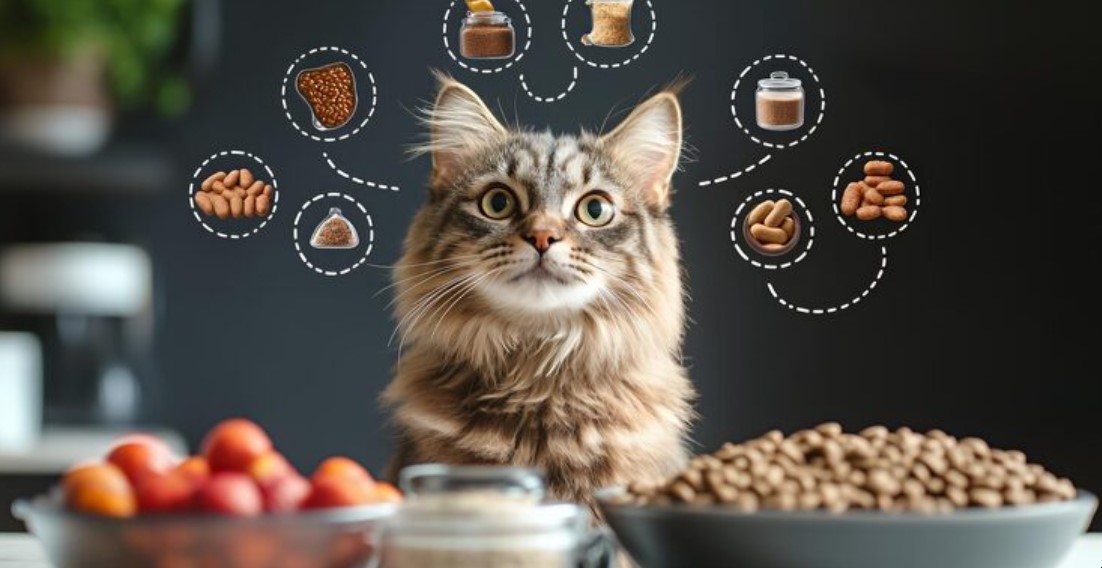
Indoor cats lead a more sedentary lifestyle than their outdoor counterparts, with less running, hunting, and exploring. Yet their nutritional requirements remain rooted in their nature as obligate carnivores. Animal-based protein remains essential for supporting muscle maintenance, energy production, and overall health.
For indoor cats, choosing the best high protein cat food can be especially beneficial in many ways. A diet rich in quality protein and balanced nutrients helps ensure indoor cats receive the nourishment they need to thrive despite a less active lifestyle.
Why do indoor Cats Benefit from a High-Protein Diet?
Because indoor cats usually get less exercise than outdoor cats, they tend to burn fewer calories. That lower activity level can increase the risk of weight gain over time. At the same time, their bodies still require protein-rich nutrition to support basic biological functions.
A diet built around quality protein helps indoor cats feel full, maintain a healthy body condition, and get the nutrients they need without relying too heavily on fillers or unnecessary carbohydrates.
Protein Helps Preserve Lean Muscle
Muscle loss can occur even in cats that get little exercise. Without adequate protein, the body may begin breaking down muscle tissue for energy.
Over time, this can result in a thin yet weak appearance, particularly in senior cats. Choosing cat food for senior cats with high-quality protein can help support muscle maintenance, mobility, and overall health as they age.
Better Coat, Skin, and Energy
A dull or flaky coat can sometimes signal a protein deficiency.
Cats rely on amino acids, found in protein, to maintain healthy skin and a glossy coat. A protein-rich diet often shows visible improvements in coat condition.
Common results include:
-
A shinier & softer coat
-
Reduced shedding
-
Increased daytime energy and activity
These changes are often noticeable within a few weeks of switching diets.
Helps Manage Hairballs and Digestion
High protein cat food can support more efficient digestion in many cats.
Quality protein sources are easier for the body to process. Less reliance on fillers means less undigested material, which may help reduce the frequency of hairballs. Every cat responds differently, but many owners report fewer hairball issues after switching to the best cat food with higher protein content.
Supports a Healthy Weight Long-Term
Indoor cats face a higher risk of obesity, which is linked to several health concerns, including:
-
Diabetes
-
Joint problems
-
Heart strain
Protein-rich food helps cats feel satisfied in smaller portions. This supports portion control without leaving cats feeling deprived.
Of course, diet is only part of the picture. Combining a quality diet with other cat supplies, such as feather wands or interactive toys, further supports healthy weight management.
How to Choose the Right High Protein Food?
Not all products labeled “high protein” are created equal. Whether you’re comparing wet formulas or searching for the best dry cat food for indoor cats, use this guide when evaluating your options:
|
Look For |
Avoid |
|
Real meat listed as the first ingredient |
“Meat by-product” listed as the main ingredient |
|
Named protein sources, such as chicken or salmon |
Vague terms such as “animal protein” |
|
Limited fillers like corn and wheat |
Long lists of grains near the top of the ingredient list |
|
Protein content around 30-40% |
Protein content under 25% for adult cats |
Always review the ingredient list, not just front-of-package claims. The most accurate information is found in the details.
Conclusion
While indoor cats may lead a slower-paced life, their nutritional requirements remain rooted in their carnivorous biology. Protein remains the foundation of good health, supporting muscle maintenance, energy levels, coat condition, and a healthy weight.
Choosing a quality high-protein cat food is one of the most effective ways to support an indoor cat’s long-term well-being. Whether you are comparing everyday cat food options, selecting cat food for senior cats, or investing in a premium cat food formula, protein quality should stay at the top of your checklist.
FAQs
What Is the Highest-Protein Food for Cats?
Raw and freeze-dried diets often contain the highest protein levels, sometimes 50% or more. Among dry foods, grain-free formulas with real meat as the first ingredient typically range from 35-45% protein.
Are High-Protein Diets Good For Cats?
Yes, for most healthy adult cats. As natural carnivores, cats are well-suited to high-protein diets. However, cats with certain kidney conditions may require adjusted protein levels, so consulting a veterinarian is recommended.
What Cat Food Has 40% Protein?
Many grain-free and high-protein formulas, particularly those marketed as “high protein” or “carnivore” lines, contain around 40% protein. Always check the guaranteed analysis on the packaging for exact figures.
How Can I Give My Cat More Protein?
Consider switching to a high-protein dry or wet food, adding a protein-rich topper such as freeze-dried meat, or incorporating small amounts of cooked, unseasoned chicken or fish as an occasional treat.
Do Cats Need High-Protein Dry Food?
Cats generally benefit from high protein intake, regardless of food format. Dry food with high protein and minimal fillers can be a convenient choice, though pairing it with wet food provides additional hydration.

